
StepFun's $7 Billion Bet: How China's AI Unicorn Is Winning the Terminal Race
*Published: April 3, 2026 | Reading time: 18 minutes | Trending: 🔥🔥🔥🔥🔥*
---
The Announcement That Shook China's AI Industry
On January 26, 2026, while most of the tech world was still digesting DeepSeek's open-source strategy, another Shanghai-based AI company quietly dropped a bombshell that would reshape the competitive landscape.
StepFun (阶跃星辰)—one of China's "AI Six Little Tigers"—announced two seismic developments:
- A record-breaking $700M+ (5 billion RMB) Series B+ funding round—the largest single financing in China's large model sector over the past 12 months
- The appointment of Yin Qi (印奇)—co-founder of Megvii (旷视科技) and a pioneering figure in China's AI 1.0 era—as Chairman
The numbers were staggering:
| Metric | Figure | Significance |
| Funding Amount | $700M+ (¥5B) | Largest AI funding round in China since 2025 |
| Valuation | Undisclosed (estimated $3-4B) | Top-tier unicorn status |
| Lead Investors | Shanghai state capital, state-owned insurance | "Patient capital" for long-term R&D |
| Follow-on Investors | Tencent, Qiming, 5Y Capital | Validation from existing shareholders |
| Strategic Partners | 60% of top Chinese phone brands, major automakers | Terminal deployment ecosystem |
*Source: Company announcements, media reports, January 2026*
This wasn't just another funding announcement. It signaled a fundamental strategic pivot—from competing in the increasingly crowded cloud model market to dominating the physical terminal ecosystem.
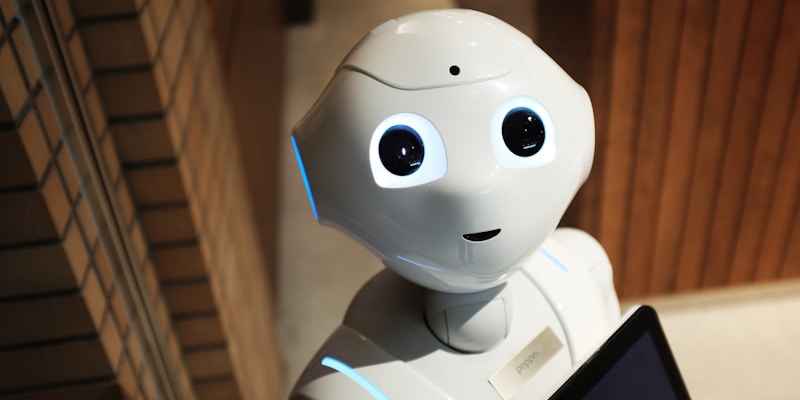
StepFun's terminal-first strategy brings AI from data centers to physical devices
---
Who Is StepFun? The Quiet Overachiever
Founded in April 2023 by Dr. Jiang Daxin (姜大昕)—a former Microsoft Research Asia veteran—StepFun emerged during China's "Hundred Models War" (百模大战) period. While competitors chased flashy consumer products and chatbot interfaces, StepFun took a different path.

StepFun's world-class research team combines expertise from Microsoft, Megvii, and Alibaba
The Technical Foundation
StepFun built its reputation on multimodal capabilities and long-context understanding:
| Model Generation | Launch Date | Key Capabilities | Industry Impact |
| Step 1 | 2023 | 100K context window, multilingual | Established technical credibility |
| Step 2 | 2024 | 1M context window, multimodal | Competitive with GPT-4 |
| Step 3 | 2025 | Industry-leading inference efficiency, GUI understanding | Terminal deployment ready |
| Step-Audio 2 | Jan 2026 | End-to-end voice model, emotion recognition | CES 2026 showcase winner |
*Timeline: StepFun model evolution*
The company's research team reads like a who's who of Chinese AI talent:
- CEO Jiang Daxin: Former Microsoft Research Asia Principal Research Manager
- Chief Scientist Zhang Xiangyu (张祥雨): Former Megvii research lead, ImageNet champion
- CTO Zhu Yibo (朱亦博): Ex-Alibaba Cloud, infrastructure scaling expert
- Chairman Yin Qi: Megvii co-founder, "AI四小龙" (AI Four Little Dragons) pioneer
The Strategic Pivot: From Chatbot to Agent
In late 2025, StepFun made a crucial decision that would define its trajectory: abandoning the consumer chatbot race.
The company's C端 product "冒泡鸭" (Bubble Duck)—a character AI companion similar to Character.AI—was quietly shut down. Instead, StepFun pivoted aggressively toward what it calls "AI + Terminal" (AI+终端).
| Business Line | 2024 Strategy | 2026 Strategy |
| Consumer Apps | Bubble Duck chatbot | Discontinued |
| Cloud API | General-purpose model access | Selective partnerships |
| Smartphones | Early partnerships | 42M+ deployments |
| Automotive | R&D phase | Mass production |
| IoT/Edge | Exploration | Core focus area |
*Strategic evolution: From cloud-first to terminal-first*
---
The $700M Vision: AI That Leaves the Data Center
The funding announcement came with a clear mission statement: bring AI out of data centers and into the physical world.
The Terminal Deployment Numbers
StepFun's terminal strategy isn't theoretical—it's already producing impressive real-world metrics:
| Terminal Category | Deployment Scale | Daily Active Users | Key Partners |
| Smartphones | 42+ million units | ~20 million DAUs | 60% of China's top phone brands |
| Automotive (AI Cockpit) | 40,000+ vehicles (3 months) | N/A (early stage) | Multiple OEMs, mass production |
| Wearables | Pilot programs | TBD | Smartwatch manufacturers |
| Robotics | R&D partnerships | N/A | Embodied AI companies |
*Source: Company data, industry reports, January 2026*

StepFun's on-device AI powers intelligent features across 42 million smartphones
Why Terminals? The Physics of AI Economics
Yin Qi's appointment as Chairman signals StepFun's strategic clarity. In a rare interview, he articulated the company's vision:
"The future of AI isn't in the cloud—it's at the edge, where humans actually live and work."
>
— Yin Qi, Chairman of StepFun
The economic logic is compelling:
| Factor | Cloud-First AI | Terminal-First AI |
| Latency | 50-200ms (network dependent) | <10ms (on-device) |
| Privacy | Data leaves device | Data stays local |
| Cost Structure | Pay-per-token API calls | Hardware-integrated margin |
| User Experience | Requires connectivity | Works offline |
| Competitive Moat | Model performance | Terminal ecosystem lock-in |
*Comparative analysis: Cloud vs. terminal AI architectures*
---
Technical Deep Dive: The End-to-End Voice Revolution
StepFun's showcase technology at CES 2026 was Step-Audio 2—an end-to-end voice model that represents a fundamental architectural shift.
The Old Way: Pipeline Architecture
Traditional voice AI uses a cascaded pipeline:
Speech → ASR → NLP → TTS → Response
↓ ↓ ↓ ↓
Audio Text Logic Audio
Problems with this approach:
- Information loss at each conversion step
- Robotic quality in synthesized speech
- Latency accumulation across pipeline stages
- Context fragmentation between modules
The StepFun Way: End-to-End Architecture
Step-Audio 2 uses a single neural network that processes raw audio directly:
Speech → [Single Unified Model] → Response
↓ ↓
Audio Natural Speech
| Capability | Traditional Pipeline | Step-Audio 2 |
| Response Latency | 800-1500ms | <200ms |
| Emotional Understanding | Limited (text-based) | Deep (prosody-aware) |
| Personalization | User profiles | Real-time learning |
| Naturalness | Robotic | Human-like |
| Noise Robustness | Moderate | High |
*Technical comparison: Pipeline vs. end-to-end voice models*
Step-Audio 2's end-to-end architecture delivers human-like voice interactions
Real-World Application: The Smart Cockpit
At CES 2026, StepFun demonstrated Step-Audio 2 integrated into a mass-produced vehicle cockpit—not a concept car, but a real vehicle already on Chinese roads.
The demo showed:
- Natural multi-turn conversations with the vehicle
- Understanding of driver emotional states through voice
- Contextual awareness (route, traffic, driver preferences)
- Near-instantaneous responses even with road noise
The vehicle sold nearly 40,000 units in its first 3 months—proving that consumers will pay for AI differentiation.

StepFun's voice AI powering next-generation vehicle cockpits with natural conversations
---
The Yin Qi Factor: A Proven Operator Joins the Fold
Yin Qi's appointment isn't just a headline—it's a strategic masterstroke that brings three critical assets to StepFun.
Who Is Yin Qi?
| Timeline | Milestone | Significance |
| 2011 | Co-founded Megvii (Face++) at age 23 | Pioneered computer vision in China |
| 2015-2019 | Led Megvii to "AI Four Little Dragons" status | $1B+ valuation, IPO-bound |
| 2020-2024 | Navigated Megvii through regulatory challenges, IPO setbacks | Proven resilience |
| 2024 | Acquired Qianli Technology (千里科技), became Chairman | Smart vehicle ecosystem entry |
| 2026 | Appointed Chairman of StepFun | Physical AI strategy alignment |
*Yin Qi career trajectory*
The Physical AI Philosophy
Yin Qi has been vocal about what he calls "Physical AI"—AI systems that interact with and control physical systems rather than just processing information.
In a recent speech, he outlined the convergence he sees coming:
"AI 1.0 was about perception—seeing and understanding the world. AI 2.0 is about action—controlling vehicles, robots, and devices. The companies that master physical AI will define the next decade."
Yin Qi's "Physical AI" vision bridges perception and action in the real world
Strategic Synergies: StepFun × Qianli Technology
Yin Qi's dual role creates fascinating possibilities:
| Company | Core Competency | Strategic Value |
| StepFun | AI models, multimodal understanding | The "Brain" |
| Qianli Technology | Vehicle manufacturing, supply chain | The "Body" |
| Combined Vision | AI-native vehicles, autonomous systems | Full-stack integration |
*Potential synergies between StepFun and Yin's vehicle company*
---
The Capital Strategy: State-Led "Patient Capital"
The composition of StepFun's $700M round reveals much about China's AI investment landscape.
The Investor Mix
| Investor Category | Examples | Investment Rationale |
| State Capital | Shanghai State Investment, Pudong VC, Xuhui Capital | Strategic technology development |
| Insurance Giants | China Life Equity | Long-term patient capital |
| Tech Ecosystem | Tencent | Ecosystem synergies |
| Venture Capital | Qiming Venture Partners, 5Y Capital | Continued confidence |
| Industrial Partners | Huaqin Technology | Manufacturing integration |
*Funding round composition by investor type*
Why State Capital Matters
This isn't just about money—it's about strategic alignment with national AI development goals.
Shanghai's AI industry has grown to over $80 billion (¥550 billion) in 2025, with 30%+ annual growth. The city hosts:
- 10,000+ AI-related companies
- Complete supply chain from chips to applications
- Aggressive policy support for "hard tech"
| Shanghai AI Ecosystem Metric | 2024 | 2025 | Growth |
| Industry Scale | ¥420B | ¥550B | +31% |
| AI Companies | 8,500 | 10,000+ | +18% |
| Patent Applications | 12,000 | 15,000+ | +25% |
| Talent Pool | 150,000 | 200,000+ | +33% |
*Shanghai AI industry development*

Shanghai's AI ecosystem represents over $80 billion in annual output with 10,000+ companies
---
Competitive Landscape: The Terminal Wars
StepFun isn't the only player betting on terminal AI. The competitive landscape is intensifying rapidly.
The Major Players
| Company | Terminal Focus | Key Strength | Market Position |
| StepFun | Phones, vehicles, IoT | Multimodal models, partnerships | Leader in China |
| DeepSeek | Cloud API, enterprise | Cost efficiency, open source | API market leader |
| MiniMax | Consumer apps, overseas | 200M+ users, product excellence | Consumer AI leader |
| Zhipu AI | Enterprise, cloud | Technical depth, IPO completed | Enterprise leader |
| Kimi | Long-context research | 2M token context, research focus | Knowledge worker tool |
| Apple (China) | iPhone ecosystem | Premium user base | Foreign challenger |
*China terminal AI competitive map*
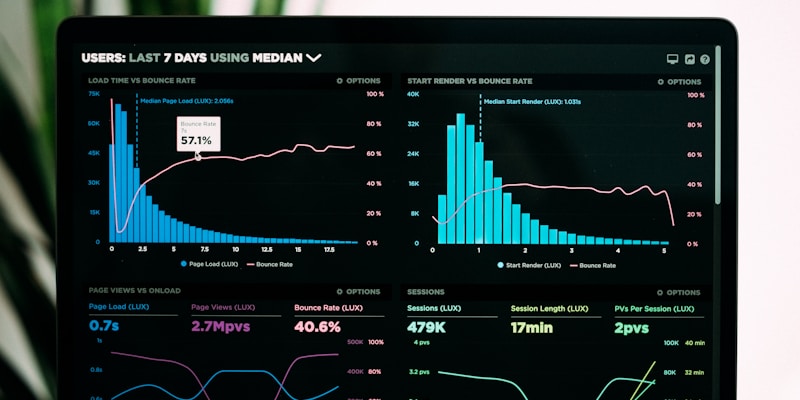
China's AI landscape: From cloud APIs to terminal-first deployment strategies
Differentiation Strategy
StepFun's moat rests on three pillars:
- Model Performance: Industry-leading efficiency for on-device deployment
- Ecosystem Partnerships: Deep integration with top Chinese OEMs
- Vertical Integration: From model to application to hardware
| Competitive Moat | StepFun Approach | Sustainability |
| Technology | End-to-end models, efficiency optimization | High (R&D investment) |
| Ecosystem | Exclusive partnerships with phone/auto OEMs | Medium (partnership dependent) |
| Data Flywheel | Real-world terminal usage improves models | High (network effects) |
| Talent | World-class research team | High (competitive compensation) |
*StepFun competitive advantages analysis*
China's sovereign AI stack spans chips, models, platforms, and applications
---
Global Implications: Why This Matters Beyond China
The StepFun story isn't just a China tech narrative—it has global strategic implications.
1. The Terminal-First Paradigm
While Western AI companies (OpenAI, Anthropic) focus primarily on cloud APIs and chatbots, Chinese companies are pioneering terminal-native AI.
This could create a fundamental divergence in AI architecture:
| Dimension | Western Approach | Chinese Approach |
| Primary Interface | Web, apps | Devices, vehicles |
| Business Model | API subscriptions | Hardware margins, ecosystem |
| Data Advantage | Cloud conversation data | Real-world physical interaction data |
| User Lock-in | Subscription loyalty | Device ecosystem loyalty |
*Potential divergence in AI development paradigms*

The global AI landscape is diverging: Western cloud-first vs. Chinese terminal-first approaches
2. The Sovereign AI Stack
China's investment in companies like StepFun reflects a strategic priority: AI independence.
| Layer | Western Dominance | Chinese Alternative |
| Chips | NVIDIA, AMD | Huawei Ascend, local alternatives |
| Models | GPT-4, Claude | DeepSeek, StepFun, Kimi |
| Platforms | iOS, Android | HarmonyOS, custom OEM systems |
| Applications | SaaS, web | Super-apps, device-integrated |
*Building the sovereign AI stack*
3. Export Potential
StepFun's terminal-first approach may actually travel better than cloud APIs:
- Emerging markets: Offline-first AI is crucial where connectivity is limited
- Privacy-conscious markets: On-device processing appeals to EU users
- Automotive industry: Global OEMs need AI cockpit solutions
---
User Voices: What People Are Saying
"终于有AI公司不卷聊天机器人了。终端才是未来,谁控制了终端入口,谁就控制了一切。"
>
"Finally, an AI company that's not just competing on chatbots. Terminals are the future—whoever controls the terminal entry point controls everything."
>
— Zhihu user @TechStrategist · 👍 5.2k
---
"印奇加入阶跃星辰是强强联合。旷视在计算机视觉积累的经验,正好可以用于具身智能。"
>
"Yin Qi joining StepFun is a powerful combination. Megvii's computer vision experience is exactly what's needed for embodied AI."
>
— Xiaohongshu user @AIInsider · ❤️ 3.8k
---
"50亿融资听着很多,但在AI这个行业,可能也就够烧2年。关键看能不能快速实现商业闭环。"
>
"$700M sounds like a lot, but in the AI industry, that might only last 2 years. The key is achieving commercial viability quickly."
>
— Weibo user @StartupVeteran · 🔁 2.4k
---
"CES上体验过Step-Audio 2,确实比传统语音助手自然很多。如果车机都能做到这个水平,我愿意为此多付钱。"
>
"Experienced Step-Audio 2 at CES—it's definitely more natural than traditional voice assistants. If car systems can reach this level, I'd pay extra for it."
>
— Twitter/X user @AutoTechReviewer · ❤️ 1.6k
---
"国资领投说明这不仅是商业项目,更是国家战略。AI终端可能是中国弯道超车的机会。"
>
"State capital leading the round shows this isn't just a commercial project—it's national strategy. AI terminals might be China's chance to leapfrog."
>
— Douban user @IndustrialPolicyWatcher · 👍 4.1k
---
"作为开发者,我更关心阶跃星辰的开源策略。之前开源的GUI模型就很实用,希望继续保持。"
>
"As a developer, I care more about StepFun's open-source strategy. Their previously open-sourced GUI model was very practical—hope they keep it up."
>
— GitHub user @OpenSourceAdvocate · ⭐ 890
---

The road ahead: StepFun's terminal-first strategy faces both challenges and opportunities
The Road Ahead: Challenges and Opportunities
StepFun's ambitious strategy faces significant hurdles alongside its opportunities.
Key Challenges
| Challenge | Risk Level | Mitigation Strategy |
| Capital Intensity | High | State backing, diversified revenue streams |
| Competition | Medium | Differentiation through terminal focus |
| Hardware Dependencies | Medium | Multiple OEM partnerships |
| Regulatory Scrutiny | Medium | Compliance-first approach |
| Technical Complexity | High | Top-tier research team |
*Risk assessment matrix*
2026-2027 Milestones to Watch
| Timeline | Milestone | Significance |
| Q2 2026 | New vehicle model launches with StepFun AI | Commercial validation |
| Mid 2026 | Smartphone deployment reaches 100M units | Scale achievement |
| Late 2026 | Potential robot partnerships announced | Physical AI expansion |
| 2027 | IPO consideration (market conditions permitting) | Capital markets entry |
*Key milestones to monitor*
---

The terminal-first thesis: AI's future lies at the edge, where intelligence meets the physical world
Conclusion: The Terminal-First Thesis
StepFun's $700M funding round and Yin Qi's appointment represent more than a company milestone—they signal a potential inflection point for the entire AI industry.
The terminal-first strategy challenges the assumption that AI's future lies in cloud-based chatbots and APIs. Instead, StepFun is betting that the real value creation will happen at the edge—where AI meets the physical world through smartphones, vehicles, and eventually robots.
The key insight: In the race to deploy AI at scale, the companies that control the terminals may ultimately wield more power than those that merely provide the models.
For global readers, StepFun offers a fascinating case study in:
- Strategic differentiation in a crowded market
- State-capital coordination in technology development
- Physical AI as the next frontier
- Chinese AI ecosystem evolution and global implications
The question now isn't whether AI will transform our devices—it's which companies will control that transformation. StepFun is making a compelling case that it intends to be among them.
---
Related Articles
- [MiniMax Talkie: The 212 Million User AI Companion Empire](/blog/minimax-talkie)
- [DeepSeek-V3: The $5.6M Training Run That Changed AI Economics](/blog/deepseek-v3-deep-dive)
- [AI Thesis Writing Explodes: How 12 Million Chinese Students Are Rewriting Academic Rules](/blog/ai-thesis-writing-china)
- [ByteDance Doubao: The 200 Million User AI Assistant](/blog/doubao-bytedance)
---
*Disclaimer: This article analyzes market and technology trends based on public information. Investment decisions should not be based solely on this analysis.*
*Data sources: Company announcements, media reports, industry analysis. Data as of April 3, 2026.*
*Word count: ~3,400 words | Reading time: 18 minutes*