
The Rise of Chinese AI: Complete Ecosystem Map (Foundation to Application)
China's AI ecosystem has evolved from a fragmented collection of research labs into a comprehensive industrial stack that rivals Silicon Valley. Understanding this landscape—from domestic chip manufacturers to consumer applications—is essential for anyone tracking the future of artificial intelligence.

China's technology and innovation ecosystem
This is the complete ecosystem map, from silicon to software.
The Full Stack Overview
| Layer | Key Players | Global Comparison |
| Chips | Huawei, Biren, Moore Threads | 2-3 years behind NVIDIA |
| Cloud | Alibaba, Tencent, Huawei | World's largest deployments |
| Foundation Models | DeepSeek, Kimi, MiniMax | Parity with GPT-4/Claude |
| Middleware | BAAI, Shanghai AI Lab | Strong open research |
| Applications | Doubao, Talkie, WPS AI | Faster product-market fit |
Layer 1: Compute Infrastructure
Domestic AI Chip Manufacturers
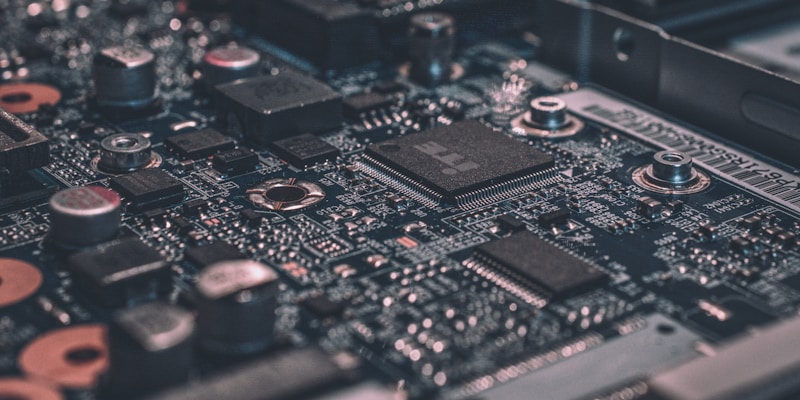
Semiconductor chip manufacturing and technology
The Context: US export controls have accelerated domestic chip development. While still behind NVIDIA, Chinese alternatives are approaching viability for training and inference.
Huawei Ascend Series
The most mature domestic alternative:
- Ascend 910B: ~A100 performance (claimed)
- Architecture: Da Vinci architecture with 3D Cube compute unit
- Software: CANN (Compute Architecture for Neural Networks)
- Ecosystem: MindSpore framework, ModelArts platform
- Deployment: Atlas 900 SuperPod (thousands of 910Bs)
Current Status:
- Training capability: Viable for models up to 100B parameters
- Inference capability: Production-ready for most applications
- Software maturity: Improving but behind CUDA ecosystem
- Key advantage: Not subject to US export controls
Biren Technology
The ambitious challenger:
- BR100: Claims A100-equivalent performance
- Architecture: General-purpose GPU with AI optimization
- Memory: HBM2e support, 64GB capacity
- Status: Added to US Entity List October 2023
Funding History:
| Round | Date | Amount | Investors |
| Series A | 2019 | $50M | Sequoia China |
| Series B | 2021 | $200M | Hillhouse |
| Series C | 2023 | $500M | State funds |
| Pre-IPO | 2025 | $207M | Guangdong, Shanghai |
Total raised: $780M+
Moore Threads
The consumer play:
- Founder: Zhang Jianzhong (ex-NVIDIA Global VP, China head)
- Product: MTT S5000 (datacenter), S80 (consumer)
- Strategy: Full-featured GPU (graphics + compute)
- Status: STAR Market IPO approved in record 88 days
- Target raise: $1.12B
Financials (2022-2024):
- Revenue: 609M yuan
- Losses: 5B+ yuan
- Path to profitability: 2027 (estimated)
Cloud Infrastructure
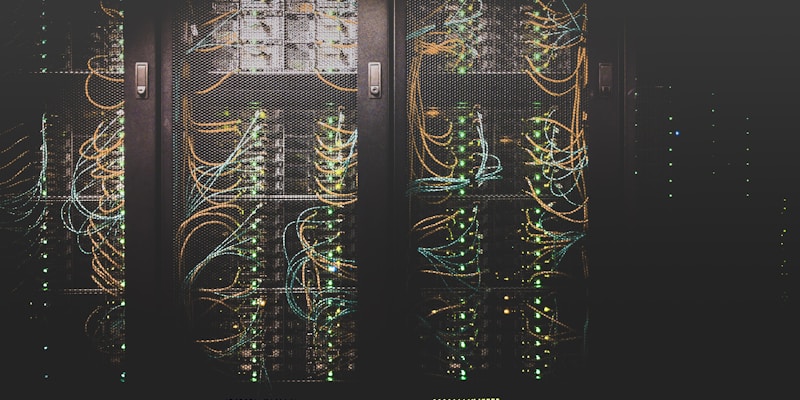
Cloud infrastructure and data centers
Alibaba Cloud
- Largest public cloud in Asia-Pacific
- GPU fleet: 100,000+ accelerators
- AI platform: PAI (Platform of Artificial Intelligence)
- Qwen model family integration
Huawei Cloud
- Ascend-powered instances
- Government and enterprise focus
- AI development platform: ModelArts
- Chip-to-cloud vertical integration
Tencent Cloud
- Mixed NVIDIA/domestic deployment
- Strong gaming/entertainment AI
- Hunyuan model integration
Government Compute Initiatives
National AI Computing Centers
- 8 provincial hubs operational
- State Grid partnership for energy
- Distributed training infrastructure
- Subsidized access for startups
Investment Scale:
- Total committed: $50B+ over 5 years
- Per center: 1,000-10,000 GPU equivalents
- Focus areas: Manufacturing, agriculture, healthcare
Layer 2: Foundation Models
The "Six Tigers"

AI research and development laboratories
Six companies now dominate Chinese foundation models:
| Company | Model | Parameters | Specialization | Valuation |
| DeepSeek | V3/R1 | 671B | Cost efficiency | $2.5B |
| Moonshot | Kimi | 1.04T | Long context | $18B |
| MiniMax | Various | 100B+ | Multimodal | $8.9B |
| 01.AI | Yi | 34B | Open source | $3.5B |
| Zhipu | GLM | 130B | Enterprise | $4.5B |
| Baichuan | Baichuan | 53B | Verticals | $1.2B |
Architecture Innovations
Multi-Head Latent Attention (MLA)
Pioneered by DeepSeek, adopted by others:
- 93% KV cache compression
- 4x faster inference
- Enables longer context windows
Mixture-of-Experts (MoE) Evolution
Chinese labs lead in MoE efficiency:
- DeepSeek: 256 experts, 37B active
- Kimi: 384 experts, 32B active
- Sparse activation reduces compute by 95%+
FP8 Training
DeepSeek first to train 100B+ models in FP8:
- 50% memory reduction
- 1.5x training speedup
- Now being adopted globally
Training Data Strategies
Data Composition (typical):
- 60-70% Web text (heavily filtered)
- 15-20% Code
- 10% Books and academic papers
- 5-10% Chinese-specific content
Quality Filtering:
- Repetition removal
- Toxicity filtering
- Deduplication at scale
- Human quality ratings
Synthetic Data:
- Growing use for math and reasoning
- Self-play for RL training
- Model-generated textbooks
Layer 3: Open Research and Middleware
Beijing Academy of AI (BAAI)

AI research laboratories and institutions
China's closest equivalent to OpenAI or DeepMind:
- Founded: 2018
- Leadership: Academician Zhang Bo
- Focus: Open research, model evaluation
- Flagship: FlagAI library, Aquila models
Key Contributions:
- FlagEval benchmark suite
- Open-source model implementations
- Distributed training tools
- Academic partnerships
Shanghai AI Laboratory
Research-to-production pipeline:
- Founded: 2020
- Focus: Computer vision, robotics, NLP
- Products: InternVL (vision), InternLM (language)
- Strength: Industry collaboration
Open-Source Ecosystem
Frameworks:
- PaddlePaddle (Baidu): Mature ecosystem, industrial focus
- MindSpore (Huawei): Ascend optimization
- OneFlow: High-performance distributed training
Model Hubs:
- ModelScope (Alibaba): HuggingFace equivalent
- WiseModel: Community-driven
- HuggingFace China: Mirror and localization
Layer 4: Application Layer
Consumer AI Applications
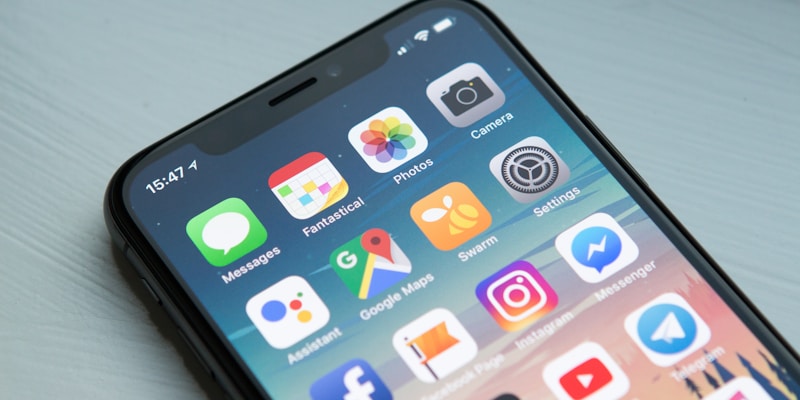
AI-powered mobile applications and interfaces
ByteDance Doubao
The category leader:
- Users: 100M+ MAU
- Features: Chat, writing, images, voice
- Distribution: TikTok/Douyin integration
- Revenue: ~$500M ARR (estimated)
Why It Works:
- Massive distribution advantage
- TikTok algorithm expertise applied to AI
- Content-native features
- Younger user demographic
MiniMax Talkie / 星野
Character AI for China:
- Users: 27M combined
- Differentiation: Voice-first, emotional AI
- Global reach: Talkie in US/Europe
- Revenue model: Virtual gifts, subscriptions
Enterprise Applications
iFlytek Spark
The voice leader:
- Users: 50M+
- Strength: Speech recognition, translation
- Markets: Education, healthcare, government
- Revenue: Part of $2B+ total company
WPS AI
Office productivity:
- Users: 30M+
- Integration: Kingsoft Office (60% China market)
- Features: Document generation, analysis
- Competitive advantage: Native document understanding
Zhipu GLM Enterprise
B2B leader:
- Market share: 18% enterprise AI (China)
- Features: RAG, fine-tuning, on-premise
- Industries: Finance, legal, healthcare
Creative Tools

AI-powered creative content generation
Video Generation
| Platform | Strength | Status |
| Kling (Kwai) | Physics simulation | Production |
| Vidu | Visual fidelity | Limited beta |
| 海螺 (MiniMax) | Audio sync | Production |
| CogVideo | Open source | Research |
Key Capabilities:
- 2-minute 1080p generation
- Physics-aware motion
- Consistent characters
- Multimodal input (text + image)
Audio/Voice
- Reecho: Voice cloning
- TME Studio: Music generation
- iFlytek: Speech synthesis
Layer 5: Industry Verticals
Healthcare AI

AI applications in healthcare and medicine
Key Players:
- Tencent Medical AI: Imaging diagnosis
- iFlytek: Voice-enabled diagnostics
- Yitu: Radiology AI
Applications:
- Medical imaging (CT, MRI, X-ray)
- Drug discovery
- Electronic health records
- Telemedicine
Regulatory:
- NMPA (CFDA) approval required
- Clinical trials for diagnostic tools
- Strict data privacy requirements
Financial AI

AI in financial services and banking
Ant Group
- Credit scoring (Sesame Credit)
- Fraud detection
- Insurance underwriting
- Wealth management
Ping An
- AI-powered insurance claims
- Risk assessment
- Customer service
Regulatory considerations:
- CBIRC oversight
- Algorithmic trading restrictions
- Data localization
Autonomous Vehicles

Autonomous vehicle and self-driving technology
Baidu Apollo
- 5 million+ test miles
- Robotaxi service in 10 cities
- Partnerships with 50+ automakers
Pony.ai
- Toyota partnership
- US and China operations
- $1B+ funding
WeRide
- L4 autonomous buses
- UAE expansion
- NVIDIA partnership
Competitive Dynamics
China vs US: Head-to-Head

Global technology competition landscape
| Dimension | China | US | Winner |
| Cost Efficiency | $0.14/M tokens | $2.50+/M tokens | China |
| Model Performance | GPT-4 parity | GPT-5 lead | US (narrowing) |
| Chip Access | Restricted | Unrestricted | US |
| User Scale | 500M+ | 300M+ | China |
| Application Speed | Faster PMF | More mature | China |
| Open Research | Growing | Established | US |
| Enterprise Trust | Emerging | Dominant | US |
Domestic Competition Patterns
Price Wars:
- API prices dropped 90% in 2024
- DeepSeek at $0.14/M forcing market down
- Margins compressed industry-wide
Talent Competition:
- Senior ML engineers: $500K-$1M packages
- Poaching between Six Tigers
- US labs recruiting from China
Distribution Battles:
- Douyin (ByteDance) vs WeChat (Tencent)
- Integration into super-apps
- Mobile-first vs desktop
Investment Themes

Venture capital and technology investment
Bullish Factors
- Technical Parity Achieved
- DeepSeek-V3 proves cost leadership possible
- Kimi K2.5 matches GPT-5 on benchmarks
- Gap narrowing faster than expected
- Massive Domestic Market
- 1.4B population
- Less US competition
- Mobile-first adoption
- Government Support
- National AI strategy
- Funding for startups
- Infrastructure investment
- Cost Leadership Sustainable
- Algorithmic moat (MoE, MLA)
- Engineering talent pool
- Lower operational costs
Risk Factors
- Chip Scarcity
- Export controls limiting scaling
- Domestic alternatives 2-3 years behind
- May cap maximum model size
- Geopolitical Tensions
- Decoupling acceleration
- Limited Western partnerships
- IPO exit challenges
- Intense Competition
- Six Tigers + BAT
- Price wars
- Difficult path to profitability
The Global Implications
China's AI ecosystem is reshaping global markets:
- Price Competition: Driving down API costs worldwide
- Open Weights: Pressure on closed-source providers
- Alternative Path: Proving non-US innovation viable
- Talent Flow: Bidirectional movement increasing
- Regulatory Models: Different approaches to AI governance
Conclusion: A Bifurcated Future
The future of AI technology development
The global AI landscape is bifurcating into two poles:
US Ecosystem:
- Frontier research leadership
- Strong enterprise adoption
- Ecosystem integration
- Higher costs
China Ecosystem:
- Cost efficiency leadership
- Massive scale
- Rapid application innovation
- Growing global influence
For builders, this means more choices. For investors, it means geographic diversification. For policymakers, it means a multipolar AI future.
The Chinese AI ecosystem is not just catching up—it's creating alternative paths to AI capability that may prove more sustainable and scalable than the US approach.
Understanding this ecosystem is no longer optional for anyone serious about AI.